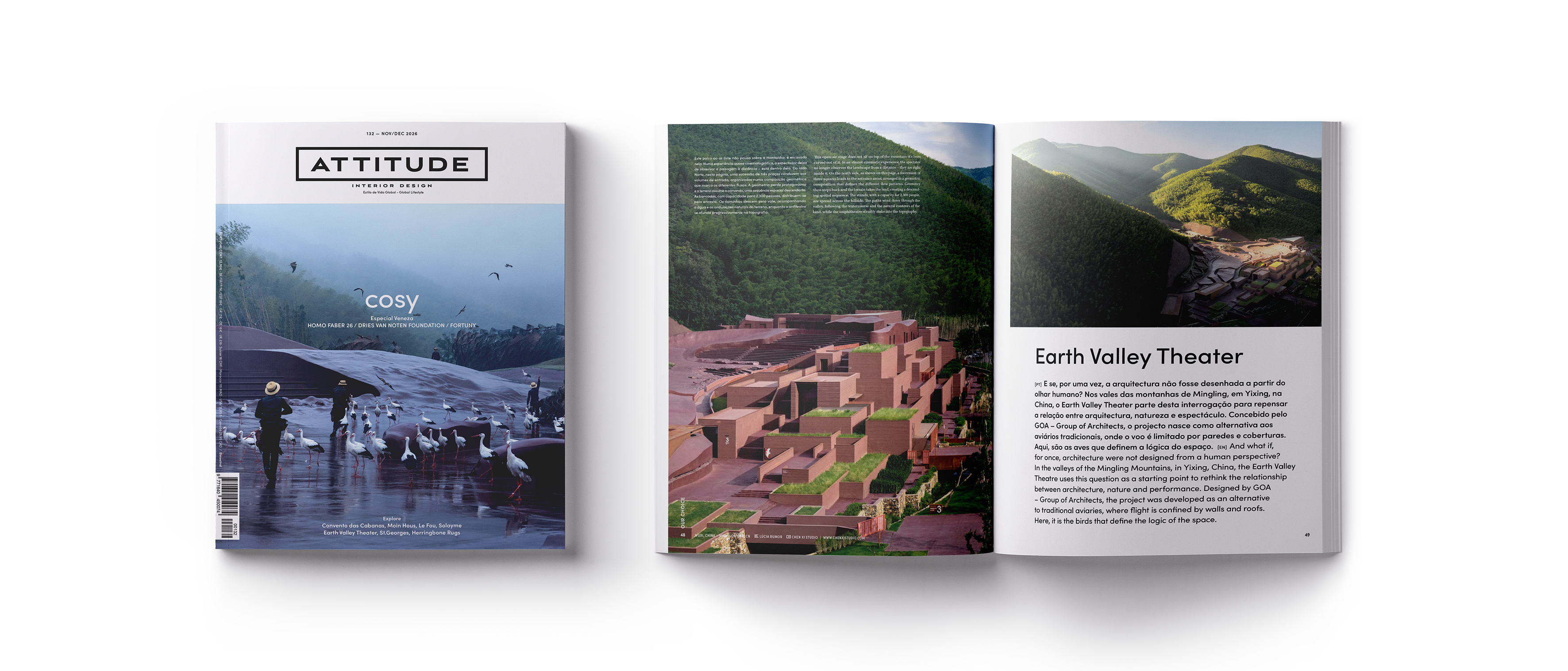
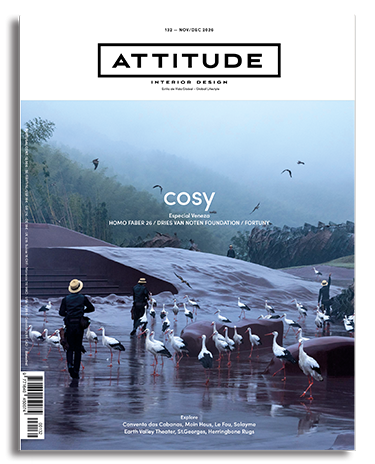
Attitude 132: Cosy

  • There are words that we come across time after time. Cosy is one of them. It's used to describe a home, an atmosphere, a certain sense of belonging… And perhaps that's why we felt the need to revisit it, exploring its allegorical meaning.
    Cosy describes, above all, a state of emotional refuge: a place where we can unwind, let our guard down and simply be. Never before have we had access to so many references, so many forms of expression rushing at us at a dizzying pace. And yet there's something paradoxical about this abundance: surrounded by everything that's available to us, it isn't always easy to discern what truly resonates with us.
  • Could it be that comfort resides, above all, in a sensation so intimate that it overtakes us when we find what truly restores us to ourselves?
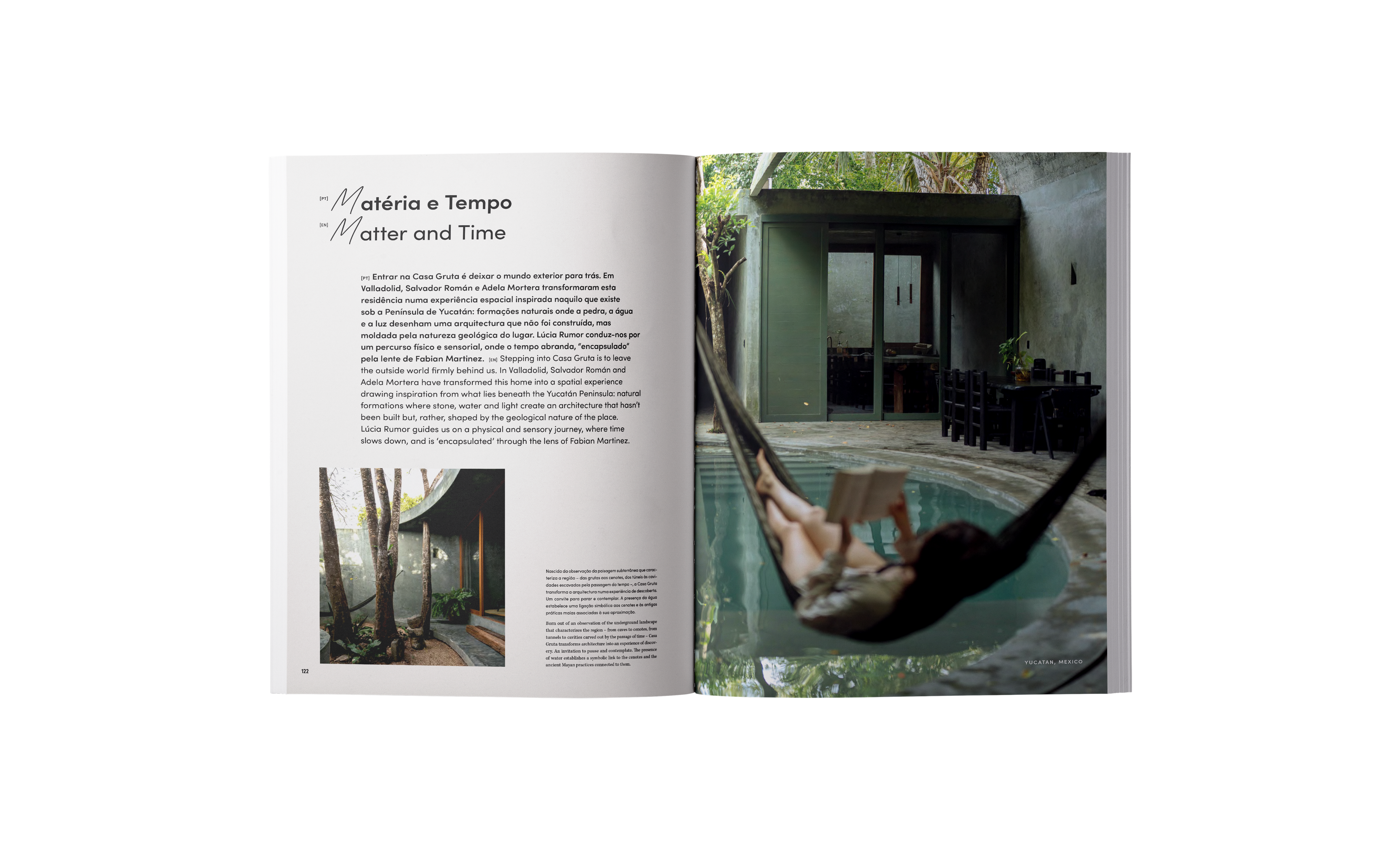
    It was precisely this question that guided us through this issue. In Paris, Romain Chancel draws on the memories of an Art Deco apartment to create a space without effacing features dating back to the 1930s. In Yucatán, a sort of grotto strikes up a profound dialogue with the landscape. In Milan, a young family’s home takes shape in response to life as it unfolds. In Istanbul, the MS Istinye House finds a way to slow down through light. Meanwhile, in Porto, memories of a unique atmosphere transform a home into an ‘Extension of the Self’. Different interiors that share the same premise: a home is built from what we choose to hold onto.
  • We recognise that same feeling, albeit in a more diffuse form. In Reggio Emilia, a building that is over four centuries old allows its history to endure. In Afife, the former Convent once belonging to Pedro Homem de Mello reveals a country estate that still embraces the culture from which it sprang, allowing us, for moments, to choose which period we’d like to belong to. In the Alentejo, Casa no Tempo recognises beauty in what it chooses not to add. In Kyoto, Kiraku Tei reminds us that restraint is the most eloquent form of expression.
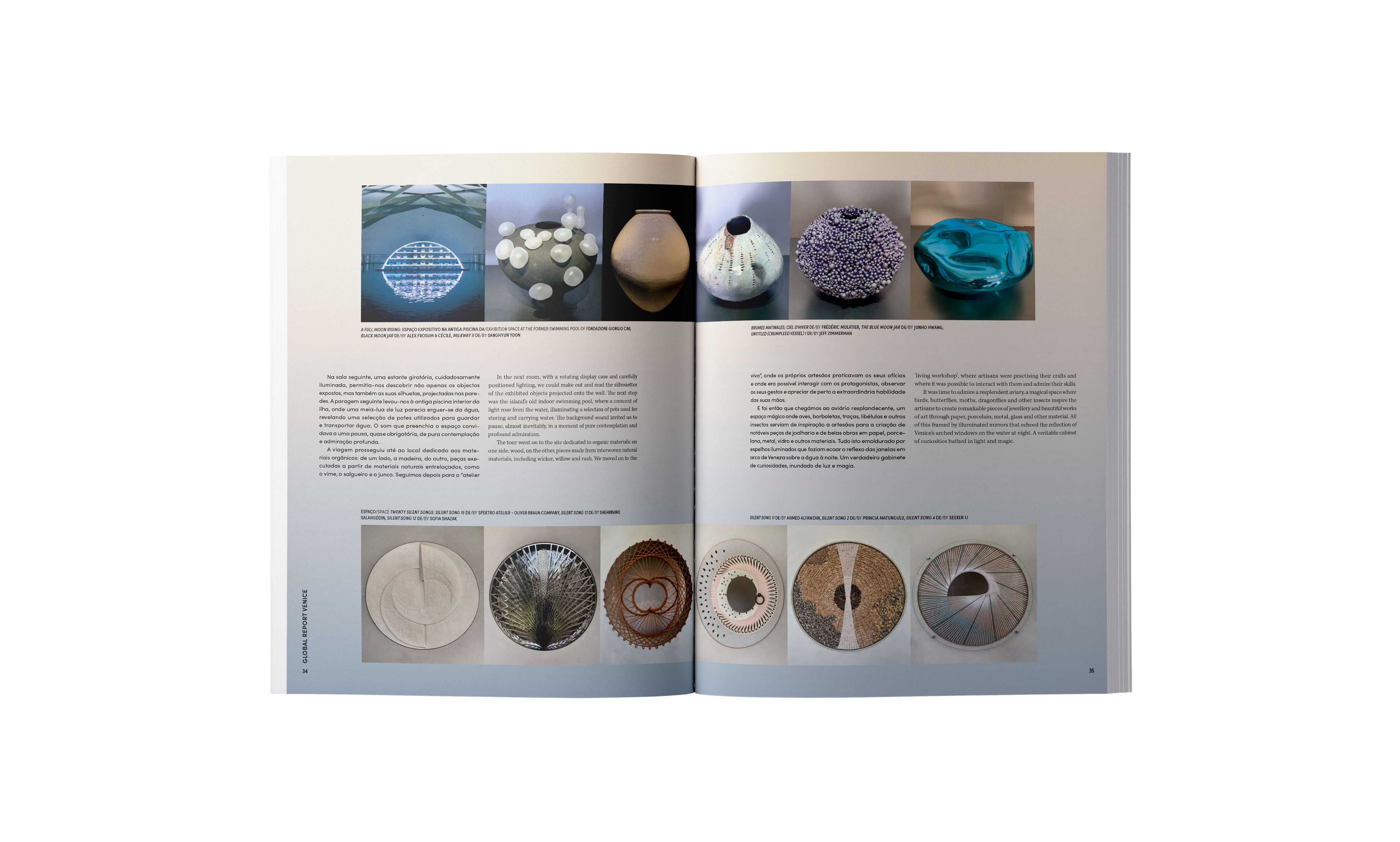
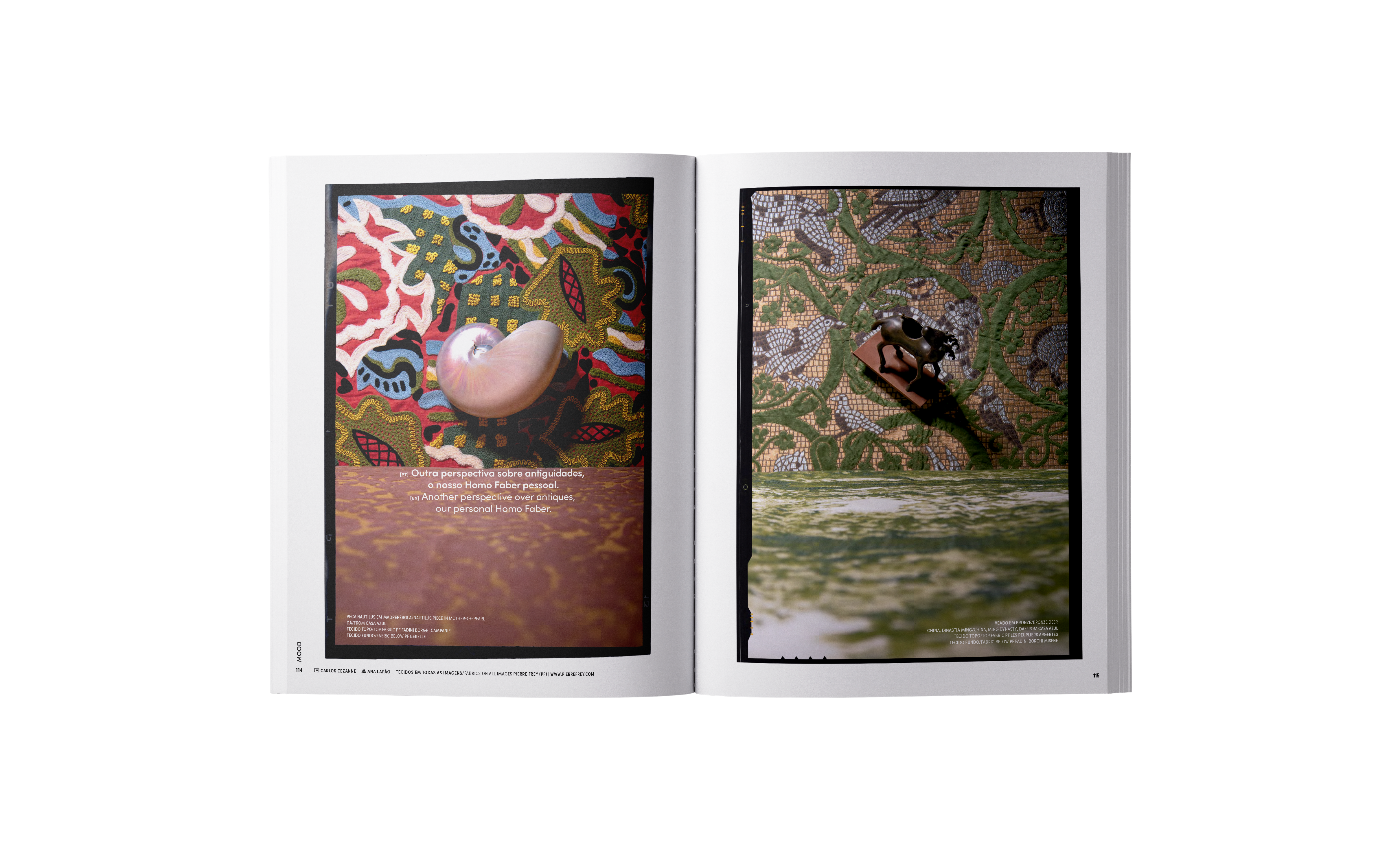
    Our connection with the land has also provided us with answers. In Mexico, a place that allows itself to be embraced by the treetops. Meanwhile, in China, it's the birds that inhabit the architecture. Seeking yet more, we set off for Venice. Among countless artisans and objects from different parts of the world, a vision of light emerged at Homo Faber 2026. An experience that unfolded through a series of encounters: from the beauty as an act of resistance explored in The Only True Protest Is Beauty, by the Dries Van Noten Foundation, to the worlds of Fortuny and Chahan Minassian. In a city where time moves at a unique pace, we realised that in the age of technology and innovation, skilled craftsmanship will be one of the few things that cannot be replaced.
  • And after all this wandering, we confirmed the most obvious of truths: the comfort we pursue throughout our lives inevitably stems from what we choose to keep close to us. It lies in the marks we choose not to erase, in the materials that age, in the light that moves us simply because it can only be found in a particular place… And that was when everything became clear: Cosy cannot be reduced to a single definition. It thrives on the possibility of finding respite, whether in a place, a melody, a person or even a fleeting moment, in which we perceive something outside of ourselves that recognises us in return.

loading

close

Subscreva a nossa Newsletter, para estar a par de todas as novidades da nossa edição impressa e digital.